Advertisement
2027 FIFA WWC

Discover the eight stadiums that will host the 2027 FIFA WWC across Brazil, including key venue details and seating capacities.

Capacity: 62,000–66,000

The Mineirão is one of Brazil’s most iconic stadiums and has long been associated with Belo Horizonte’s biggest clubs, though today it is the home of Cruzeiro. Renovated in 2012, the stadium is also remembered for hosting Brazil’s historic 7-1 semifinal loss to Germany at the 2014 FIFA World Cup.

Capacity: 70,064

The Estádio Nacional in Brazil’s capital is the country’s second-largest stadium following a major renovation for the 2014 FIFA World Cup. It hosted seven World Cup matches, including Brazil’s third-place playoff loss to the Netherlands, and later welcomed Olympic football at the 2016 Rio Games and the return of the Supercopa Rei do Brasil in 2020.

Capacity: 63,903

The Castelão is a historic Brazilian stadium that underwent a major renovation and serves as the home ground for Série A clubs Ceará and Fortaleza. It has hosted Brazil national team matches, including a memorable 2014 World Cup quarter-final victory over Colombia, and previously welcomed Pope John Paul II for a mass in 1980.

Capacity: 50,848

The Gigante, home of Internacional, is one of Brazil’s most iconic stadiums and has a rich history of producing legends such as Paulo Roberto Falcão, Taffarel, and Dunga. Built on reclaimed land along Lake Guaíba, the stadium hosted five matches during the 2014 FIFA World Cup.

Capacity: 45,440

Arena de Pernambuco is a modern stadium built for the 2014 FIFA World Cup and located in the Recife metropolitan area. The venue hosted five matches during the tournament, including a knockout-stage game, and has since served as a home for local clubs while hosting major football and entertainment events.

Capacity: 78,838

Estádio Jornalista Mário Filho (Maracanã), better known as the Maracanã, is one of the most famous stadiums in world football. Opened in 1950 and renovated multiple times, it has hosted historic events including two FIFA World Cup finals, the 2016 Olympic opening and closing ceremonies, and countless legendary matches.

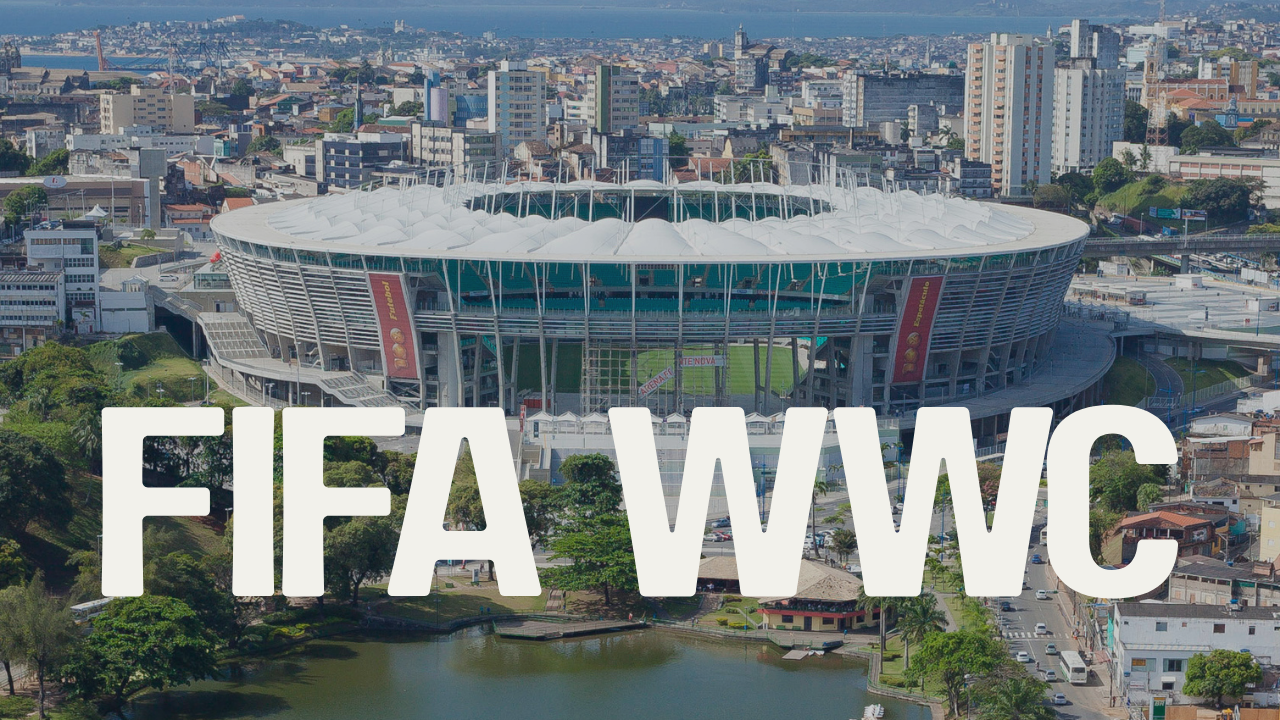
Capacity: 50,000

Arena Fonte Nova is a modern stadium built on the site of the original Fonte Nova and opened ahead of the 2014 FIFA World Cup. The venue hosted six matches during the tournament, including a memorable quarter-final clash, and remains one of Brazil’s most important football stadiums, serving as the home of Bahia.

Capacity: 48,905

Neo Química Arena is the home of Corinthians and one of Brazil’s most modern football stadiums. Opened in 2014, the venue hosted the opening match of the 2014 FIFA World Cup, along with several other tournament fixtures, and has become a symbol of Corinthians’ passionate fan base.
