
If there’s one object guaranteed to bring you back down from the glory days of club and high school soccer, it’s the shiny, cold aluminum bench along the sideline. If you’re lucky, you might even get one with a backrest.
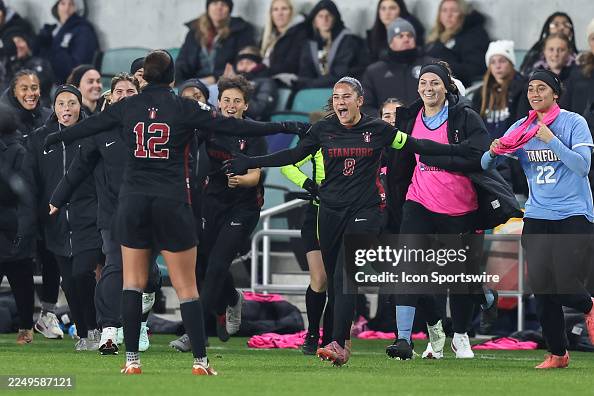
The jump from club and high school soccer to college — especially Division I — is massive. Chances are, you’re going to spend some time planted on that bench early in your career.
And that’s okay.
Here are five helpful tips for surviving (and thriving) while riding the bench in college soccer. Looking to play at the D1 level? Here’s another insider tip for you.
Relax — Your Coach Doesn’t Trust You… Yet
Your new college teammates were all standout players on their previous teams too. Did you really think you were going to walk onto campus at 18 years old and immediately dominate against 21- and 22-year-olds?
A good coach won’t throw freshmen to the wolves right away.
Use this time wisely. Watch your position closely during games. Study opponents’ movements, decision-making, and tendencies. Learn the speed of the college game from a different perspective.
And don’t forget to cheer on your teammates — they were once sitting exactly where you are now.
Spend Time with the Older Teammates
Believe it or not, the older players need you just as much as you need them.
During the season, college soccer is mostly business. Outside of the occasional team outing — maybe a bowling night or team dinner — you’ll spend most of your time together training, traveling, and recovering.
Even if you’re shy at first, don’t be afraid to sit with upperclassmen at meals, walk with them to class, or join conversations heading from the locker room to practice.
You’ll learn more from casual moments than you expect. They’ve already gone through the adjustment period and are usually happy to pay it forward.
Skip Class (Kidding)… and Get Extra Touches
Let’s be honest — most soccer players would rather be on the field than sitting in a lecture hall. But being a student-athlete means handling both responsibilities, so make sure class always comes first.
That said, while you’re riding the “silver train,” grab a few fellow freshmen during downtime and get extra touches on the ball.
It doesn’t need to be a full-intensity workout. Even light sessions keep your mindset sharp and remind you that it’s still soccer season. Staying connected to the ball helps you stay ready for your moment.
Keep Your Game Day Routine the Same
Whether you’re playing 90 minutes, 20 minutes, or not stepping on the field at all, your game-day routine should never change.
Stick to the same preparation you had when you were the go-to player in club and high school — mentally and physically.
You never know when your coach will call your name. A 10-minute substitute appearance can easily turn into 20 minutes the next match.
Consistency matters, and coaches notice players who stay locked in regardless of playing time.
Don’t Get Mad — Get Better
Yes, you want to play. Everyone does. That’s why you’re competing at the college level.
You might have a great week of training and still not see the field — even when your parents and grandparents made the trip to watch.
So what should you do?
Not lash out.
Not complain.
And definitely not take frustrations out on teammates in practice.
Instead, keep working. Learn how to manage your time, live independently, and compete every day against older — and often extremely talented — players.
Development isn’t always visible right away, but progress is happening.
Your opportunity will come.
Final Thoughts from a Former Benchwarmer
Every college player experiences adversity at some point. Sitting on the bench early in your career doesn’t define you — how you respond to it does.
Stay patient. Stay prepared. Stay positive.
And when your moment comes, make sure you’re ready for it.
Comments